How to Improve Website SEO and Rank Higher on Google

.avif)
.png)
.png)

.png)
.png)
.svg)
How to improve website SEO is the question every website owner asks the moment their traffic flatlines. And the answer matters more in 2026 than it ever has.
Is your site invisible on Google while your competitors take all the clicks? Are you publishing content but seeing no movement in rankings? Search engine optimization is what separates websites that grow on autopilot from ones nobody finds.
This guide covers exactly how to get your website higher on Google, which ranking factors actually move the needle, and the strategies you can apply today.
Quick Answer — How to improve website SEO and rank higher on Google:
- Content: Create high-quality, intent-matched content that covers your topic with genuine depth
- On-Page SEO: Optimize title tags, meta descriptions, headings, and internal links on every page
- Technical SEO: Improve page speed, mobile-friendliness, and fix crawl errors
- Backlinks: Earn high-authority links through guest posts, digital PR, and linkable assets
- Track & iterate: Use Google Search Console and Analytics to measure performance weekly
- Timeline: Meaningful SEO gains typically appear within 3-6 months of consistent effort
Key Stats
- Organic traffic share: 53% of all trackable website traffic comes from organic search — Ahrefs, 2026
- Top 3 results: The top 3 organic Google results capture 68.7% of all clicks — Ahrefs
- Zero-traffic pages: 96.55% of all web pages receive zero organic traffic from Google — Ahrefs
- AI Overview impact: AI Overviews reduce position-one CTR by up to 61% — Position Digital, 2026
- AI Overview upside: Sites cited inside an AI Overview earn 35% more organic clicks than their ranking position alone would generate
What does "how to improve website SEO" mean?
It means optimizing your website's content, structure, and authority so Google ranks it higher in organic search results. This involves on-page improvements (headings, metadata, keywords), technical fixes (speed, mobile, crawlability), and off-page signals (backlinks and brand authority), all working together to make your site more visible and trustworthy to both users and search engines.
Website SEO Improvement Roadmap:
- Research keywords your audience actually searches for using tools like Google Search Console and Ahrefs
- Optimize every page with correct title tags, meta descriptions, and heading structure
- Publish high-quality, intent-matched content consistently
- Fix technical SEO issues: speed, mobile-friendliness, crawl errors
- Build high-quality backlinks through outreach and digital PR
- Optimize UX: easy navigation, fast load times, accessible design
- Track rankings and organic traffic weekly, iterate monthly
What Does It Mean to Improve Website SEO?
Improving website SEO means optimizing your website so it can rank higher on Google, attract more organic traffic, and provide a better experience for users and search engines.
Definition: Search engine optimization (SEO) is the process of improving your website's content, code, and authority signals so that Google ranks it higher in relevant search results, making your site easier for the right audience to find.
SEO has three core pillars, and understanding the difference is your first step:
- On-page SEO: Everything on your actual pages — title tags, headings, keyword usage, meta descriptions, and internal linking
- Off-page SEO: External signals like backlinks, brand mentions, and social proof that tell Google other sites trust you
- Technical SEO: The infrastructure layer covering page speed, mobile friendly design, crawlability, and structured data
Google uses over 200 ranking factors to decide where your page appears. The most critical include content quality, backlinks, page speed, mobile responsiveness, and user experience (UX).
If your site sits on page two or beyond, you're effectively invisible. The top three organic results capture 68.7% of all clicks — the gap between page one and page two is enormous, not minor.
Bottom line: Every SEO improvement you make today compounds over the next 6-12 months. The earlier you start, the more you benefit.
Why Website SEO Is More Important Than Ever in 2026
Online competition has never been higher, and Google's algorithms have never been more sophisticated.
Every niche is crowded. New websites launch daily, AI-generated content floods the web, and Google's AI-powered search experiences are reshaping how users interact with results. If your how to optimize seo for website approach is even 12 months out of date, you're losing ground every week.
Here's what makes 2026 different from any previous year:
- AI-generated search experiences: Google's AI Overviews answer queries directly in the SERP. Getting cited inside an AI Overview generates 35% more clicks than holding position one alone — Position Digital.
- Mobile-first indexing is the default: Google crawls and ranks the mobile version of your site first. If your site isn't optimized for mobile, your desktop rankings suffer too.
- E-E-A-T is non-negotiable: Google's quality framework (Experience, Expertise, Authoritativeness, Trustworthiness) determines whether your content earns visibility. Low E-E-A-T signals mean unstable or invisible rankings.
- Organic traffic outlasts paid: Paid ads stop the moment your budget does. Organic search still drives 53% of all trackable website traffic, and that share compounds as your authority grows — Ahrefs, 2026.
Watch: The Complete SEO & AI SEO Course for 2026 — Full Beginner's Guide
Bottom line: In 2026, SEO is your most cost-effective long-term traffic channel. Every week you delay is compounding opportunity cost.
Perform Keyword Research to Improve Google Rankings
Keyword research is the foundation of every successful SEO strategy because it helps you understand exactly what your audience is searching for on Google.
Without it, you're writing content you hope people want — not content you know they need.
Understand Search Intent First
Every keyword has intent behind it. Someone searching "best SEO tools" wants a comparison. Someone searching "how to fix crawl errors" wants a step-by-step guide. Matching your content format to that intent is one of the fastest ways to improve google search ranking.
Google's algorithm is sophisticated enough to evaluate whether your content actually satisfies the query, not just whether it contains the keyword.
Short-Tail vs Long-Tail Keywords
Long-tail keywords are your best entry point if your site is new or has low domain authority. They're specific, easier to rank for, and attract visitors closer to taking action.
Best Keyword Research Tools
- Google Search Console — Free; shows what you already rank for and where impressions exist
- Ahrefs / Semrush — Paid; essential for competitor gap analysis and volume data
- Google Keyword Planner — Free; useful for volume estimates and seasonal trends
- AnswerThePublic — Great for question-based long-tail keyword discovery
Always analyze what your competitors rank for. If they're appearing on page one for terms you haven't targeted, that's an open opportunity.
Optimize On-Page SEO for Better Search Rankings
On-page SEO is entirely within your control, and it's where most sites leave significant ranking potential untouched.
Title Tags and Meta Descriptions
Your title tags should include your primary keyword near the beginning and stay under 60 characters. Your meta descriptions (under 160 characters) won't directly change your ranking position, but they influence click-through rate — and CTR is a user signal Google watches closely.
Heading Structure
Use one H1 per page with your primary keyword in it. Use H2s for main sections and H3s for supporting sub-points. Clear heading hierarchy helps users scan your content and helps Google understand exactly what your page covers.
Internal Linking
Internal linking is underused by most sites. Link related pages together using descriptive, natural anchor text. It distributes authority across your site, improves crawlability, and keeps users reading longer — all positive SEO signals.
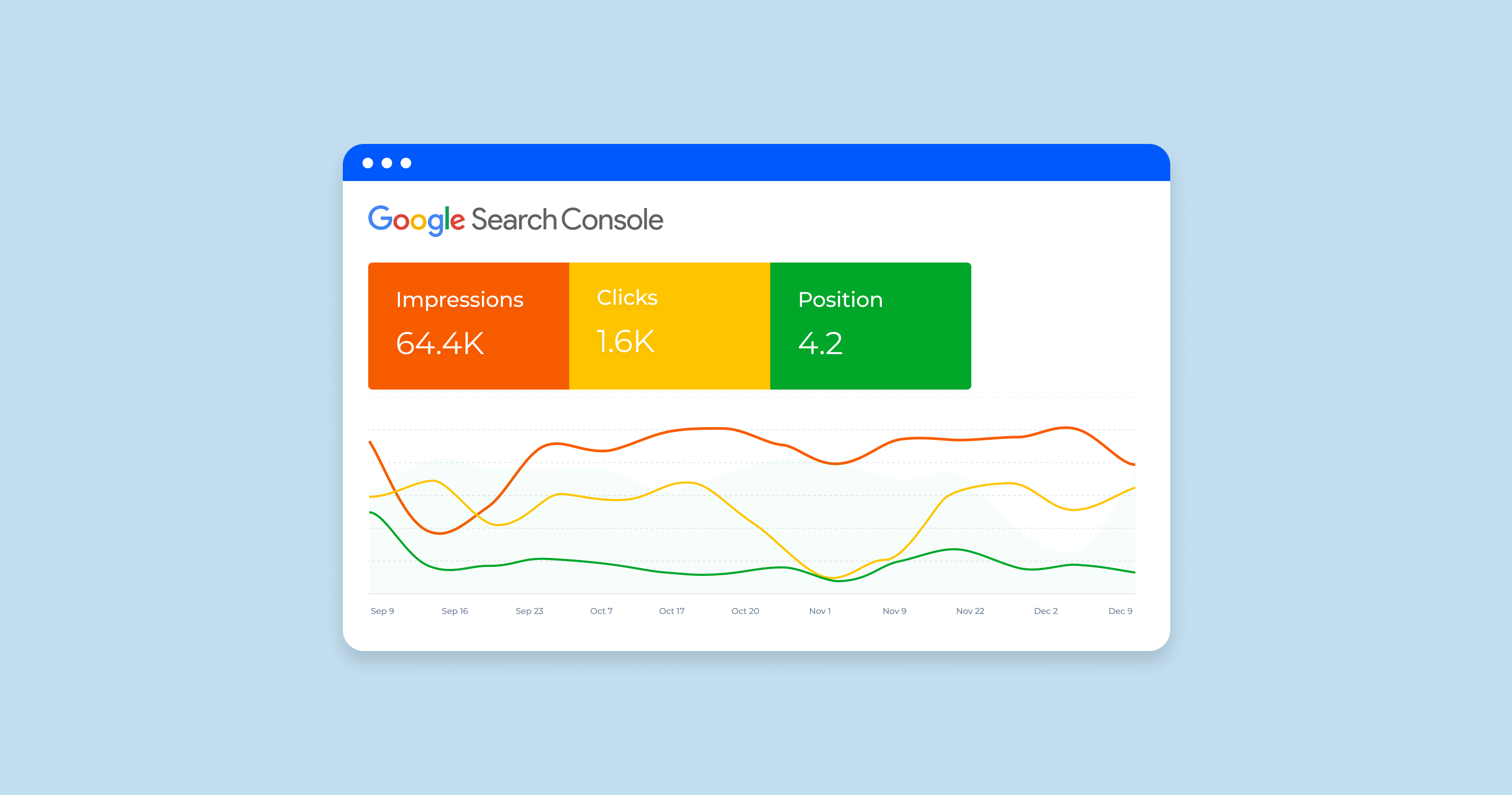
Alt text: "Google Search Console performance report showing keyword impressions and click-through rate for on-page SEO tracking"
Image SEO and Schema Markup
Compress images to reduce load time and add descriptive alt text using relevant keywords. Name files descriptively ("seo-audit-checklist.png" not "image007.jpg"). Adding schema markup tells Google what type of content your page contains, which earns rich results and SERP features.
Create High-Quality Content That Ranks on Google
Google prioritizes content that genuinely helps users solve problems, answer questions, and find accurate information quickly.
Content quality is now the single most influential ranking factor. Google's Helpful Content system actively rewards original, expert-level pages and demotes thin, generic, or AI-padded ones.
Match Search Intent
Your content must give users exactly what they came to find. If someone searches how to improve google ranking, they want a practical guide with actionable steps, not a glossary definition. Get to the point fast, then go deep.
Build Topical Authority
Don't publish one post on SEO. Build a cluster of related content: keyword research, technical SEO, link building, local SEO. The more depth your site has on a topic, the more Google trusts your domain as an authority in that space.
Content Freshness Matters
Update old posts with new data, fix outdated examples, and republish with a current date. Pages that haven't been touched in 12+ months often lose rankings as fresher content replaces them. How many of your top pages haven't been updated in the last year?
Use FAQs and Featured Snippets
Structure content to directly answer common questions with short, clear paragraphs. Google extracts these as featured snippets, and appearing in position zero generates visibility even when you're not ranked first organically.
Avoid duplicate content and thin pages (fewer than 400 words with no unique value). They dilute your overall domain quality signals and drag down your stronger pages with them.
For tips on how well-designed websites support content SEO, see the Pixeto guide on how to improve website user experience.
Improve Technical SEO for Faster Website Performance
Technical SEO is the foundation your entire strategy runs on. You can have great content and strong backlinks, but if Google can't crawl or load your site correctly, none of it performs at full strength.
Core Web Vitals and Page Speed
Google's Core Web Vitals measure three key performance signals:
- LCP (Largest Contentful Paint): How fast your main content loads. Target: under 2.5 seconds.
- INP (Interaction to Next Paint): How quickly your page responds to user input. Target: under 200ms.
- CLS (Cumulative Layout Shift): How stable your layout is while loading. Target: under 0.1.
Use Google's Lighthouse tool to audit your site and get specific, actionable fixes for each metric.
Mobile-First Optimization
Google indexes the mobile version of your site first. Your site must be fully responsive, readable on small screens without zooming, and free of tap-target issues. Check your mobile usability report in Google Search Console regularly.
Sitemaps, Robots.txt, and HTTPS
Submit an XML sitemap to Google Search Console so Google knows which pages to crawl. Use robots.txt to block pages you don't want indexed (admin pages, duplicate filtered URLs). If your site is still on HTTP: fix it immediately. HTTPS is a confirmed ranking signal and a baseline trust requirement for users.
Fixing broken links (404 errors) and redirect chains removes crawl budget waste and improves user experience at the same time.
If you run a Webflow site, the Pixeto Webflow performance optimization guide covers these technical fixes step by step.
Bottom line: Fix your technical SEO once, and every piece of content and every backlink you earn afterward performs at full strength.
Build High-Quality Backlinks to Increase Google Rankings
Backlinks remain one of Google's most powerful ranking signals. A link from a trusted external site to yours tells Google your content is credible and worth surfacing.
Not all backlinks are equal. One link from a respected industry publication outweighs 100 links from low-quality directories or link farms. Spammy backlinks can actively damage your rankings.
How to Earn High-Quality Backlinks
- Guest posting: Write original articles for reputable sites in your niche. Include one contextual link back to a relevant page on your site.
- Digital PR: Publish data-driven studies, surveys, or original research that journalists and bloggers will naturally cite.
- Linkable assets: Create tools, templates, or comprehensive guides that people reference over time.
- Broken link building: Find broken outbound links on authority sites and offer your content as the replacement.
Internal Links vs External Backlinks
Internal links (within your own site) distribute authority and help Google discover new pages. External backlinks (from other sites to yours) build your domain's authority from the outside. You need both working together.
Unique referring domains explain 52% of domain authority variance across major SEO platforms — LinkBuildingHQ, 2026. It's the diversity of sites linking to you, not the raw count, that matters most.
Common mistakes: buying links, participating in link exchanges, and using automated tools to build unnatural link profiles. Google penalizes all three, sometimes with manual actions that are difficult to recover from.
Optimize User Experience (UX) to Rank Higher on Google
Google uses behavioral signals to evaluate whether your page actually satisfied the searcher. If users immediately bounce back to the search results after landing, that's a direct negative signal.
According to the Nielsen Norman Group, users form an opinion about your website in under 50 milliseconds. Poor user experience (UX) doesn't just hurt conversions — it directly undermines the organic traffic you worked hard to earn.
Key UX Signals Google Watches
- Dwell time: How long a user spends on your page before returning to Google
- Bounce rate: The percentage of users who leave without any further engagement
- Click depth: How many pages a user visits within a single session
UX Best Practices for SEO
- Use clear, scannable headings and short paragraphs
- Ensure fast load times, especially on mobile
- Keep navigation simple: no more than two clicks to reach key content
- Reduce intrusive popups, especially on mobile — Google has a direct ranking penalty for this
- Follow accessibility best practices: descriptive alt text, sufficient color contrast, keyboard navigability
For a complete UX framework tied to SEO performance, our 11-step website UX checklist covers the highest-impact improvements you can make.
Use Local SEO Strategies to Improve Google Visibility
If your business serves a specific geography, local SEO is how to get your website to the top of google in your area and on Google Maps.
Local SEO means optimizing your online presence to appear in location-based searches and the "Local Pack" — the three business listings that appear above organic results for searches like "SEO agency near me."
Key Local SEO Actions
- Google Business Profile: Claim and fully optimize your listing with accurate name, address, phone (NAP), photos, business hours, and category.
- Local keyword targeting: Include city and region-specific terms in your page titles, headings, and content (e.g., "web design agency in Austin").
- NAP consistency: Your business name, address, and phone number must match exactly across your website, Google Business Profile, and every directory listing.
- Customer reviews: Encourage satisfied clients to leave Google reviews. Volume and rating quality are direct local ranking signals.
- Location pages: If you serve multiple cities, create a unique, well-written landing page for each location rather than duplicating identical content.
Local citations in trusted directories (Yelp, Bing Places, Apple Maps) reinforce your local authority and help Google verify your business is real and established.
Track and Measure SEO Performance Regularly
SEO without tracking is guesswork. You need consistent data to know what's working, what's stalled, and where your next opportunity sits.
Tools You Need
- Google Search Console: Free. Shows exactly which queries you rank for, impressions, clicks, CTR, and any crawl or indexing errors.
- Google Analytics: Free. Tracks organic traffic volume, landing page performance, bounce rate, and goal conversions.
- Ahrefs or Semrush: Paid. Essential for tracking keyword ranking changes, monitoring your backlink profile, and running full technical audits.
What to Measure Monthly
- Organic traffic growth (month-over-month and year-over-year)
- Keyword ranking movements, prioritizing positions 1-10
- Click-through rate per page (low CTR means your title or description needs reworking)
- Core Web Vitals scores across key landing pages
- New backlinks acquired versus lost
Run a full SEO audit every quarter. Look for pages that have dropped in rankings, emerging technical errors, and content that could be refreshed or consolidated.
If you're planning a website redesign and want to protect your existing rankings, the Pixeto website redesign SEO checklist walks through every step to prevent traffic loss.
Common SEO Mistakes That Hurt Google Rankings
Even experienced marketers make these. Recognizing them is half the fix.
Keyword Stuffing
Repeating your keyword unnaturally every few sentences doesn't improve rankings — it actively damages them. Google's algorithms detect and penalize forced keyword density.
Fix: Write for humans first. Use your keyword naturally where it fits, and rely on semantic variations elsewhere.
Ignoring Mobile Optimization
A site that looks fine on desktop but breaks on mobile loses rankings fast. Google indexes mobile-first, with no exceptions.
Fix: Test every key page in Google Search Console's mobile usability report and resolve each flagged issue.
Thin or Duplicate Content
Pages under 400 words with no unique value, or pages that replicate content from other pages, dilute your domain quality signals.
Fix: Consolidate thin pages, add genuine depth, and use canonical tags for duplicate URL variations.
Slow Page Speed
A 1-second delay in load time can reduce conversions by up to 7% and suppresses search rankings — Google/Deloitte research.
Fix: Compress images, minimize JavaScript bundles, and serve assets through a CDN.
Poor Internal Linking
Most sites have a handful of pages with strong backlinks and hundreds of orphaned pages with no internal links pointing to them.
Fix: Build deliberate internal linking from high-authority pages to important pages you want to rank higher.
Missing Metadata
Pages without custom title tags or meta descriptions get auto-generated ones from Google. You lose control of your SERP appearance and CTR.
Fix: Write a custom title and description for every indexed page, with the primary keyword in the title.
Watch: 6 SEO Tips for Beginners to Rank #1 on Google (2026)
Final Verdict: How to Improve Website SEO & Rank Higher on Google
Improving website SEO and ranking higher on Google requires a combination of high-quality content, technical optimization, strong backlinks, and an excellent user experience.
There's no single shortcut. SEO is the sum of dozens of consistent improvements, compounding over time.
If you're just starting out, focus first on three things: keyword research, on-page SEO, and technical SEO. Fix the foundation before building on top of it.
If you're more advanced, your leverage comes from topical authority, E-E-A-T signals, backlink acquisition, and consistent content refreshes. How to improve google search ranking at scale means building a system, not just publishing more posts.
The businesses that win at SEO in 2026 aren't the ones with the biggest budgets. They're the ones who understand what Google actually rewards: helpful, trustworthy, well-structured content delivered on a technically sound website.
Patience is part of the strategy. Most SEO changes take 3-6 months to show measurable results. But when they compound, organic traffic grows in a way no paid channel can replicate.
If you want a website built to earn top Google rankings from day one — with the performance, structure, and UX that search engines reward — see what Pixeto builds for growth-stage tech brands.
Key Takeaways
- How to improve website SEO starts with keyword research, on-page fixes, and technical SEO foundations
- Content quality and search intent matching are Google's highest-weighted signals in 2026
- Backlinks from trusted, relevant sites remain a major authority signal — earn them, never buy them
- Technical SEO (speed, mobile-first, crawlability) must be in order before other efforts compound effectively
- Google Search Console and Analytics are non-negotiable for tracking real SEO progress
- SEO takes 3-6 months for initial momentum, but compounds into the most cost-effective traffic channel available
FAQs
How can I improve my website SEO quickly?
The fastest wins come from fixing technical errors in Google Search Console, updating existing page title tags and meta descriptions with target keywords, and adding internal links between related pages. These changes can move rankings within 2-4 weeks. Content-driven gains take longer, typically 3-6 months, before generating measurable organic traffic lift.
How do I get my website to the top of Google?
How to get your website to the top of google requires targeting keywords matched to your domain authority, creating content that fully satisfies search intent, earning quality backlinks from relevant sites, and ensuring your site loads fast and performs well on mobile. No single tactic guarantees position one; it's the combination applied consistently that works.
What is the best way to improve Google ranking?
The most reliable way to how to improve google ranking long-term is to build topical authority in your niche. Publish in-depth, original content around tightly related topics, resolve all technical SEO issues, and earn backlinks from respected sites in your industry. This compound approach consistently outperforms any single tactic.
How do I optimize SEO for a website?
How to optimize seo for website involves four core steps: keyword research to understand what your audience searches for, on-page optimization (titles, headings, content, internal links), technical fixes (speed, mobile, crawlability), and link building to grow domain authority. Always start with on-page and technical before investing in content production at scale.
Why is my website not ranking on Google?
Common causes include: your site is too new and Google hasn't fully trusted it yet, you're targeting keywords too competitive for your current authority, technical issues are blocking proper crawling or indexing, or your content doesn't match what users actually want from that search query. A Google Search Console audit will identify the specific issue within minutes.
How long does SEO take to improve rankings?
Most sites see initial ranking movement within 3-6 months of consistent SEO work. Reaching page one for competitive keywords typically takes 6-12 months or longer, depending on your domain authority and competition level. Technical fixes and metadata updates can show results faster, within 2-6 weeks for pages already being crawled.
What are the most important Google ranking factors?
The most important factors in 2026 are: content quality and search intent match, high-quality backlinks, page speed and Core Web Vitals, mobile-friendliness, E-E-A-T signals, and clean on-page optimization (titles, headings, structured data). Google uses over 200 signals, but these carry the most measurable weight for organic rankings.
How can I improve my Google search ranking for free?
Use Google Search Console (free) to find your ranking opportunities and technical issues. Optimize your existing pages' title tags and meta descriptions. Build strategic internal linking across your site. Claim and complete your Google Business Profile if you're a local business. Create genuinely helpful, original content targeting long-tail keywords your competitors haven't fully addressed.



.svg)

